Water Extraction or Carpet Replacement: Choosing the Safer Path for Mold
When mold takes hold in carpet, the immediate question is whether to clean and dry the material or tear it out. Both choices carry risk. The wrong call can mean lingering spores, structural damage, or repeated growth. Understanding how each option works, what it assumes about the underlying problem, and when it is the safer move is the key to making a sound decision.
What Mold in Carpet Actually Means
Mold needs moisture, warmth, and a food source. Carpet provides all three. Once spores land on a damp carpet, they can begin colonizing within 24 to 48 hours. The visible discoloration is only part of the story; roots (hyphae) can penetrate the backing and padding, and airborne spores can spread to other areas of the building.
The safety of any remediation method depends on whether it removes that contamination thoroughly and prevents it from returning. Water extraction and carpet replacement address the problem at different levels of severity, and the right choice depends on factors like the extent of the growth, the type of carpet, and how long the moisture has been present.
Water Extraction: What It Involves
Water extraction uses a powerful machine that sprays hot water or cleaning solution into the carpet and then vacuums it back out, pulling dirt, debris, and some microbial growth with it. Professional-grade extractors operate at higher temperatures and stronger suction than household units, which can improve kill rates for surface mold.
For light, surface-level mold caught early, extraction can be effective. The process flushes spores out of the fibers and into the machine's recovery tank, and the rapid drying that follows (usually with air movers or dehumidifiers) deprives remaining organisms of the moisture they need to survive. The success of this approach depends heavily on drying the carpet completely within a short window. If any moisture lingers in the padding or subfloor, mold can regrow quickly.
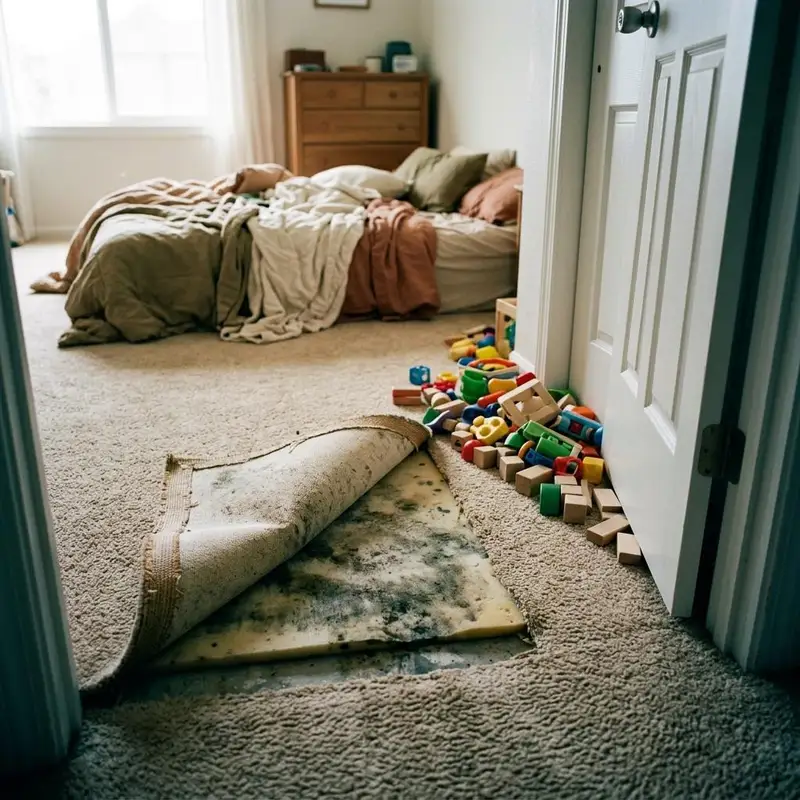
When Extraction Makes Sense
- The mold covers a small area (roughly less than a square meter) and has not penetrated the padding.
- The carpet is in good condition and not too old.
- You can confirm that the moisture source has been fixed and the area can be dried fully within 24 hours.
- The carpet is glued down or stretched tight, so removal would be difficult and costly.
In these cases, extraction avoids the disruption of tearing out and replacing the carpet. It is also less expensive upfront, though that savings disappears if the mold returns and you end up replacing the carpet anyway.
Replacement: The Clear-Out Approach
Carpet replacement means removing the contaminated material, including the padding and often a margin of surrounding carpet, and disposing of it properly. The subfloor is then cleaned, dried, and treated before new carpet or an alternative flooring is installed. This method eliminates the mold reservoir entirely, leaving no organic matter behind for future growth.
Replacement is the safer choice when mold has penetrated the backing or padding, when the carpet has been wet for more than 48 hours, or when there is visible mold on a large area. It also becomes the only realistic option if the same spot has been cleaned and re-wetted multiple times, because the padding may hold residual contamination that extraction cannot reach.
When Replacement Is the Better Bet
- Mold is visible on both the carpet surface and the padding or subfloor.
- The carpet is old, stained, or already worn.
- There is a history of leaks or flooding in the area.
- Someone in the building has a mold allergy, asthma, or a compromised immune system.
Replacement also gives you the chance to install a less moisture-prone flooring, such as tile or luxury vinyl plank, in areas that are prone to dampness. That is a long-term fix that extraction cannot offer.
The Hidden Danger of Partial Cleaning
A common mistake is to extract only the visibly moldy patch and leave the surrounding area untreated. Mold spores are microscopic and can spread widely before they become visible. If the extraction equipment is not set up to contain and filter the exhaust, it can actually blow spores into clean areas of the room. Even with proper technique, extraction alone may not remove all the spores from deep within the carpet pile or backing.
Another risk is that extraction saturates the carpet further, pushing water deeper into the padding and subfloor. If the drying setup is insufficient, that extra moisture can feed the mold you were trying to remove. Professional remediation services use moisture meters to verify that the carpet and subfloor are dry before declaring the job finished.
This is where experienced help matters. Carpet Mold Removal Services Pros understand how to assess the extent of contamination, choose the right cleaning method, and verify that the area is truly dry. They can help you avoid the trap of repeated cleaning that never quite solves the problem.
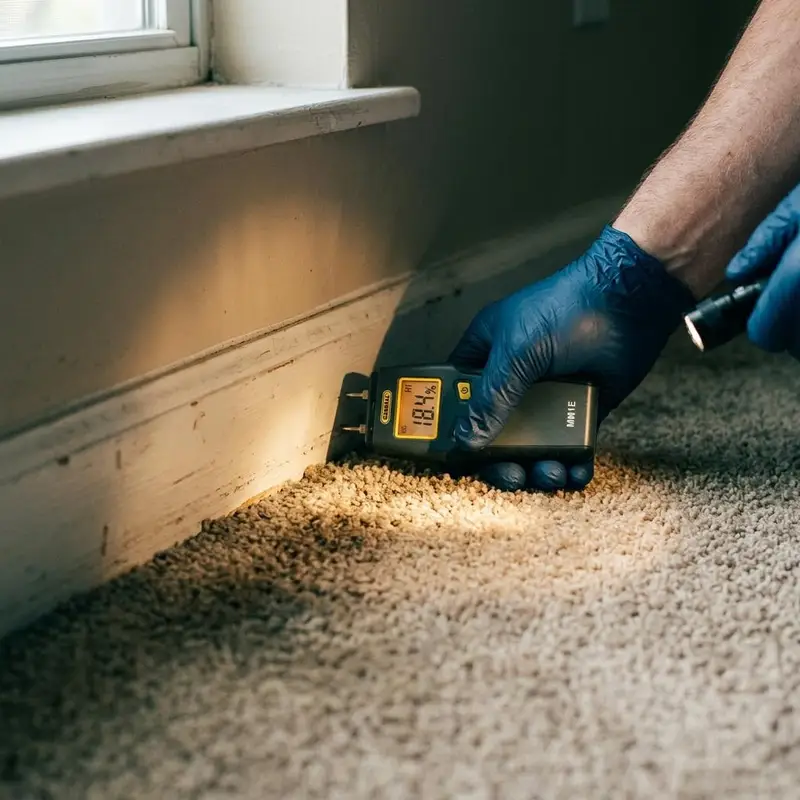
How to Decide: A Practical Framework
Start by answering a few questions about the situation.
How long has the moisture been present? If it has been less than 24 to 36 hours and the carpet dries quickly, extraction may be enough. After 48 hours, the risk of deep growth rises sharply.
Can you see mold on the back of the carpet or the padding? Lift a corner if possible. If the underside shows spots or discoloration, the contamination has likely spread beyond what extraction can remove.
Is the source of moisture fixed? No remediation method will work permanently if water keeps coming in. Fix leaks, improve ventilation, or address humidity first.
What is the health status of the people using the space? For households with young children, elderly members, or anyone with respiratory conditions, replacement is the safer route. The margin of error with extraction is simply too thin.
How much is the carpet worth versus the cost of replacement? If the carpet is near the end of its useful life, replacement is usually the better investment. Extraction makes more sense for high-quality, relatively new carpet that you want to preserve.
When Extraction Fails, Replacement Is the Fallback
Sometimes you try extraction first, and the mold comes back within a few weeks. That is a clear signal that the contamination was deeper than expected. In that case, replacement is not a failure - it is the necessary next step. Treat it as a learning experience for the future: faster action, more aggressive drying, and a lower threshold for pulling the carpet next time.
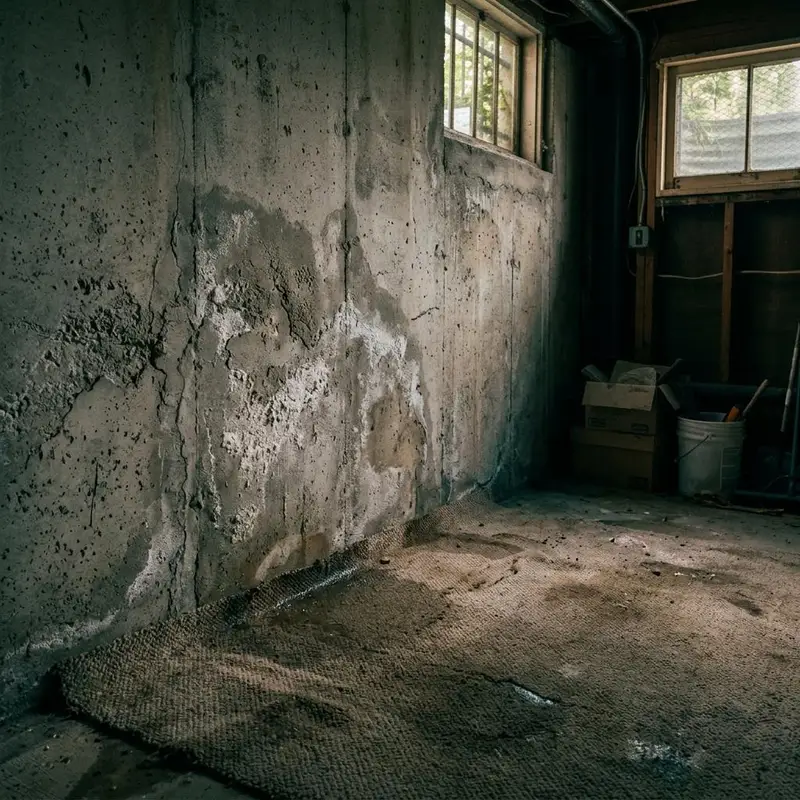
Professionals like Carpet Mold Removal Services Pros can help with both approaches. They can perform a thorough extraction with commercial-grade equipment and proper drying protocols, or they can manage the full removal and replacement process. The key is to have someone on site who can read the signs and make the call based on evidence rather than hope.
The Bottom Line
Water extraction is a viable option for minor, early-stage mold problems in carpet that is in good condition and can be dried quickly. Carpet replacement is the definitive solution for deeper, older, or more extensive contamination. Neither choice is inherently right or wrong; the safety of each depends on the specific conditions of the case.
The smartest move is to check the carpet and padding thoroughly, fix the moisture source first, and then decide based on what you find. If you are unsure, leaning toward replacement is usually the safer bet - especially when health is a concern. Mold remediation is not about saving money or avoiding disruption; it is about making sure the problem does not come back.